
FDA expands use of cervical cancer vaccine up to age 45 – The Boston Globe
— Read on www.bostonglobe.com/news/nation/2018/10/05/fda-expands-use-cervical-cancer-vaccine-age/POB4jWmsU4RZA9mj8sR2MO/amp.html
Opinion | We Should Encourage Mothers to Breast-Feed – The New York Times
Two doctors’ groups urge the United States and other countries to promote breast-feeding.
— Read on www.nytimes.com/2018/07/11/opinion/breast-feeding.html
E-cigarette flavorings may damage blood vessels and heart | Reuters
(Reuters Health) – E-cigarette liquids sweetened with flavorings like clove and vanilla may damage cells in the blood vessels and heart even when they don’t contain nicotine, a small experiment suggests.
— Read on www.reuters.com/article/us-health-heart-vaping-flavors/e-cigarette-flavorings-may-damage-blood-vessels-and-heart-idUSKBN1K12WY
Mercury in pregnancy
 There are many environmental contaminants that modern humans are exposed to on a regular basis including air pollution, heavy metals, pesticides, plastics and industrial chemicals and fuels. They permeate our spaces inside, outside and on the job. In fact, every pregnant woman in the U.S. is exposed to at least 43 different chemicals. These exposures may result in adverse effects for both mother and child and should be avoided as much as possible. A well known contaminant is mercury, a naturally occurring element, and our exposure is usually from one of two common forms: methylmercury (meHg) and ethylmercury (etHg).
Methylmercury (meHg) contamination in our environment is largely from coal-fired power plants. It is hazardous even in small amounts and typically enters our diet through the consumption of fish, which accumulate it in varying amounts depending on the species. meHg is known to cross the placenta and to accumulate in the fetus at higher levels than in the mother. Toxic levels may result in permanent damage to the fetal brain resulting in impaired neurodevelopment and reduced cognitive performance. On the other hand, there are many benefits to eating fish. Fish are high in protein, low in saturated fat and are rich in many micronutrients including omega-3 fatty acids such as docosahexaenoic acid (DHA). DHA has been shown to have a role in early fetal brain development and may be protective against adverse problems in pregnancy such as preterm birth, fetal growth restriction, gestational diabetes and preeclampsia. Benefits continue for breastfed infants and for children who consume fish. To derive the highest benefits of seafood consumption while minimizing the risk of meHg exposure it is recommended that mothers eat a 4 ounce serving of approved seafood 2-3 times a week. Seafood options that are low in meHg include some fish (salmon, cod, tilapia, canned light tuna), crustaceans (shrimp, crab, lobster) and shellfish (clams, oysters, scallops). Please note that albacore (white) tuna has more meHg than the other variety of tuna so should be limited to no more than 6 ounces per week. See “Advice About Eating Fish” below for more information.
Our exposure to ethylmercury (etHg) is largely through vaccination; etHg is a metabolite of thimerosal, the most widely used vaccine preservative to prevent germ growth. Compared to meHg, etHg is metabolized and eliminated by the body at a much faster rate. It is impossible to reach toxic levels of etHg from thimerosal containing vaccinations, regardless of multiple or repetitive exposures. Many well designed studies have demonstrated that there is no evidence of harm from the low levels of thimerosal present in some vaccines. Likewise there is no evidence linking thimerosal exposure to autism, a neurodevelopmental disorder. While multidose vaccine vials of the influenza vaccine continue to contain thimerosal (individual dose vials do not), the World Health Organization (WHO) considers this to be safe in pregnancy and infancy.
In conclusion, reducing exposures to environmental contaminants is important for human health and especially for pregnant women, infants and small children. Given the benefits of dietary fish in pregnancy and in fetal development, it is recommended to regularly consume a small amount as part of a balanced diet. Staying within the limits established by U.S. government agencies will prevent reaching toxic levels of methylmercury (meHg). In contrast, exposure to ethylmercury (etHg) from thimerosal containing vaccines is safe in pregnancy, infants and small children as it cannot reach toxic levels in the amounts given.

References:
- American Congress of Obstetricians and Gynecologists. (2013). Exposure to Toxic Environmental Agents. Committee Opinion Number 575.
- Centers for Disease Control and Prevention. (2015). Thimerosal in Vaccines. Retrieved from https://www.cdc.gov/vaccinesafety/concerns/thimerosal/.
- Centers for Disease Control and Prevention. (2015). Vaccines Do Not Cause Autism. Retrieved from https://www.cdc.gov/vaccinesafety/concerns/autism.html.
- Dórea JG, Farina M, Rocha JB. Toxicity of ethylmercury (and Thimerosal): a comparison with methylmercury. J Appl Toxicol. 2013 Aug;33(8):700-11. doi: 10.1002/jat.2855. Epub 2013 Feb 11.
- U.S. Food & Drug Administration. (2017). Eating Fish: What Pregnant Women and Parents Should Know. Retrieved from http://www.fda.gov/Food/FoodborneIllnessContaminants/Metals/ucm393070.htm.
Gay doctor? Why I’m out, loud and proud

To this day I do not know a single LGBTQ* person from my youth. I was not privileged to have understanding parents nor to have role models with whom I could connect. Many youth today find themselves in a similar position.
Growing up as an LGBTQ* person is rarely easy. Rejection, isolation, discrimination, harassment and physical violence are all too common. Understandably this results in low self-esteem, risky self-destructive behaviors, homelessness and suicide. Hope for a better future is often an essential lifeline to those of us who are hurting. We need to know that suffering will end and that we can be happy.
I choose to be visible for this reason. As many others have said, I want you to know that life does get better. So much better!
If you are struggling please know that you are not alone. You are precious and you are loved. There are many resources available to you. All you need to do is reach out.
- The Trevor Project (http://www.thetrevorproject.org) is a 24 hour help line that is available to anyone who needs a listening ear.
- 866-4-U-TREVOR (866-488-7386)
- Parents, Families and Friends of Lesbians and Gays (http://www.pflag.org) provides support and resources for families and friends of LGBT people.
- Information from the American Psychological Association (APA)
We do NOT want to cut your beautiful baby boy!
 Dear Dr Pate,
I’m a third-year medical student who is strongly considering going into OBGYN. Unfortunately, I’ve been really dismayed to discover how common it is for OBGYN residency programs to require their residents to perform circumcisions. I’ve begun to worry that my moral opposition to circumcision might be incompatible with going into OBGYN. I don’t want to get into a situation where I might be fired if I don’t perform circumcisions because I would rather get fired–and if that’s the case then why go into that field in the first place. I started to google about the topic and your blog was one of the first to come up.
Do you have any advice for a student in my situation? Should I try to seek out OBGYN residency programs that don’t require residents to circumcise? Should I just match into OBGYN and then refuse once I already have the job (can I be fired for that?).
Thanks,
MS3
Dear MS3,
Thanks for writing! I find it so refreshing to hear more and more from students, such as yourself, who desire to refrain from performing circumcision. Clearly you are not alone but tradition is deeply engrained in culture and deviation therefrom is considered illogical and threatening. If you are interested in OB/GYN, don’t worry about circumcisions. I wouldn’t even bother mentioning it in your interviews — it falls under the same legal protection as beliefs about abortion.
I encourage you to check out my post — Do medical students have to assist circumcisions? There are links to resources available to you. Hold you head high! Where there is a will there is a way. You don’t have to compromise yourself.
Some will tell you that refraining will limit your career opportunities. It is true that some jobs will try to push you. You can take either approach — put it out there so that potential problems will fall away before you become too invested or discuss it after the fact and assert your rights.
I chose to be proud and loud throughout my process; I stirred controversy and rocked the boat. This did result in expected consequences and more than a few blows to my ego however it was the right path for me. At least one attending physician and another resident refuse to do circumcisions because of my example. And that, for me, made the pain and suffering worth it.
And I have not been pushed aside by all employers as I was warned. One recruiter even told me that I didn’t have a chance landing a job in a major city. I dropped him like a rock. Instead I have joined a phenomenal group practice in a very coveted location just 20 minutes north of Manhattan.
So my advice to you is this: Follow the path that feels right for you and do not fear the obstacles that you will find. Be true to yourself and work hard and your path will continue to unfold before you. Keep your eyes on that path and drop the rocks!
Sincerely,
James Pate, MD
http://JamesPateMD.com
What do you know about colon cancer screening?
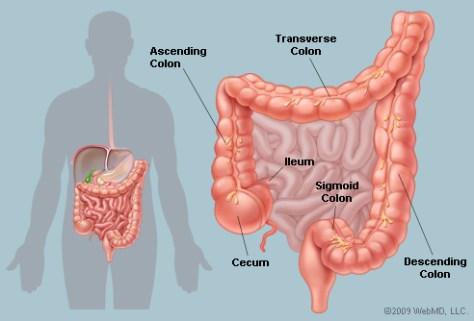
- Colon cancer is the 3rd most common cancer diagnosed in women.
- It is also the 3rd leading cause of cancer death.
- The American Congress of Obstetricians and Gynecologists (ACOG) recommends that women without known risk factors begin screening at age 50.
- The screening method with the best detection rate is colonoscopy every 10 years.
- Women with African ancestry should begin screening at age 45.
- Screening should begin:
- At age 40 if:
- A biological parent had either a colon polyp or colon cancer before age 60.
- 2 or more biological parents or children had polyps or cancer at any age.
- 10 years earlier than the age a biological parent was diagnosed with colon cancer. (If a parent was diagnosed with colon cancer at age 40, screening should begin at age 30).
- Within 8 years following diagnosis of inflammatory bowel disease (ie ulcerative colitis or Crohn disease).
- At age 21 in individuals with a family history of hereditary nonpolyposis colon cancer (HNPCC). They should also consider genetic counseling and testing.
- At puberty in individuals with a family history of familial ademomatous polyposis (FAP). They should also consider genetic counseling and testing.
Care of the prematurely retracted foreskin
 Dear Dr Pate,
I’ve read some of your (awesome) posts and have a random question I’m hoping you can answer! 🙂 I know of a mom whose son was forcibly retracted when he was 7 months old. Unfortunately, she was told that after that point, she needed to continue doing it, which she did for another year following that incident. Now she knows that was wrong. The problem is that he’s fully retractible now (even though not “naturally” so), and she doesn’t know if she should continue asking him to retract himself to clean it (as she would a naturally retractible child), or not. He’s only 2 years old, and resistant to doing so. I’m inclined to say leave it alone and that just soaking in the bath will be good enough, but wanted to double-check. If he doesn’t retract to clean, would it encourage adhesions or infection?
Dear KD,
Thank you for your kind comments and your excellent question! I am inclined to tell her to leave it alone as well given that kiddos do not have the same amount of body secretions as teens and adults. Likewise, I can’t image that other cultures around the world pay even a 10th of the interest in either the excision or maintenance of the foreskin as we do in the U.S. Do little girls really need to be taught anything more to wash briefly in the tub? The same should apply to little boys. However, I am not a pediatrician so I asked my colleagues for their opinions which follow below. Best of luck to the little tyke and thanks again for writing.
Sincerely,
James Pate, MD
http://jamespatemd.com
I agree with you and would have advised the same. If he is resistant to retraction, I would leave it alone. It may re-adhere, but I would imagine that it will detach over time without undue intervention despite the earlier forcible retraction. If not, he can use steroid cream if indicated. I don’t see it becoming infected.
On the other hand he may become more amenable to retraction and cleaning in the coming months which would make it a non-issue. He may be objecting because he’s two years old. But I see no reason to compel him to do something he doesn’t want to do at this time.
―Dr Paula Brinkley, pediatrician
I just wanted to assure you that your advice was just right! We need not retract the eyelid to wash under it, and mucous membrane will keep adjacent tissues from adhering one to the other. In most non-circumcising countries, from what men have told me, they often are taught little and generally figure out hygiene on their own. If they are told something, it’s usually around puberty, probably when secondary sex hormones are produced.
We don’t teach girls to pull their prepuce back to wash under it and we don’t put Q-tips or anything else into their vaginas to wash them. The body is self-cleaning. And, little boys need a normal sense of unconcerned boyhood. The baby’s objections to having his foreskin messed with is the message to which everyone should listen.
There are three great articles that you might find helpful at http://www.nocirc.org/articles. They are:
- Unnecessary Circumcision, by George Denniston, MD. The Female Patient, July 1992.
- The Case Against Circumcision, by Paul M. Fleiss, MD, MPH, FAAP. Mothering Magazine, Fall 1997.
- Protect Your Uncircumcised Son, by Paul M. Fleiss, MD, MPH, FAAP. Mothering Magazine, November/December 2000.
―Marilyn Milos, RN, Executive Director, National Organization of Circumcision Information Resource Centers (NOCIRC)
In my opinion, you don’t have to be a pediatrician to answer this question – most pediatricians don’t know anything about taking care of the foreskin anyway! – so I’m going to offer my own take on this.
There are no controlled studies on correct care of the intact penis, so the best we have to go on is a good understanding of the structure and development of the foreskin, plus common sense.
The few studies that I know of that looked at retractability, foreskin hygiene, and outcomes are so methodologically problematic and ignorant of the natural development of the foreskin as to be completely worthless guides (Kalcev 1964, Krueger and Osborn, 1986).
Most of the “literature” on care of the intact penis are merely opinion pieces. One would hope that this “opinion” would be based on a solid knowledge of the development of the intact penis, and/or extensive experience in conservative care of the intact penis, but unfortunately this is not the case, as we all know, and there is a lot of mistaken and potentially harmful advice given.
“I did an inservice on care of the intact penis 6+ years ago where I dug up as much literature on it as I could (17 articles, 2 of which were from CIRP and NOCIRC). I am attaching a summary of some of the advice from these handouts that I posted at Mothering.com some years back, plus some additional quotes that support the idea of “leave it alone”.
Here’s the general consensus from these handouts:
- If the FS is non-retractable, no matter how old the boy is, all that need be done is to wash off the outside. PERIOD.
- Once the FS is retractable AND the boy is developmentally able (generally have the motor dexterity and ability to follow instructions by about age 4-5), he can be taught to retract, rinse, replace. [Note, this makes the idea of requesting a 2 year old to retract and clean himself seem pretty pointless.]
Sources that specifically mention frequency suggest:
- In childhood: this rinsing might be done say only “occasionally”
- By puberty: more “regular”, or “daily” rinsing is suggested
Although some older articles will recommend that parents retract the child (based, I believe on a preconception of the foreskin as problematic, and ignorance of the natural development of the intact penis), most do NOT say this, and a number do support the idea of leaving it alone (see my Mothering post attachment). In fact there is one great quote from Canadian pediatric urologist Peter Anderson stating that “there’s no evidence there’s any need to clean under the foreskin before puberty.”
Remember that the foreskin is designed to keep the ooky stuff out (tight outlet in childhood, sphincter-like action of the peripenic muscle), and that it is flushed outward multiple times a day with sterile urine, thus keeping itself clean.
As a John Geisheker likes to point out, “Our primate predecessors were unlikely to head down to a nearby river every day to scrub their children’s genitals. Nature would quickly eliminate those who needed such care. Only those tough enough to not require genital cleansing would have survived. We are those survivors. … Mid-19th century English-speaking boys and girls did not suddenly require aggressive genital hygiene when their ancestors, for hundreds of generations, survived nicely on benign neglect.”
If this 2-year-old is resistant to having his foreskin retracted, by all means, leave it alone! It is unnecessary from a hygiene point of view, and could be more psychologically distressing than its worth. He will discover the joys of retracting himself when he’s ready and interested himself. In the meantime, it is quite possible that just playing with his penis in clean tub water might be all the cleaning needed. Since the average age to full retractability is somewhere are age 10, I would encourage this young mom to sit back, respect her son’s own time table and emotional boundaries, and just let nature take its course.
―Gillian Longley RN, BSN, MSS, Colorado NOCIRC
Rather than re-invent the wheel and write a longish, potentially unwelcome, or over-obvious email, I am attaching several articles we at DOC wrote for Psychology Today magazine on this very issue.
- Psychology Today: What Is the Greatest Danger for an Uncircumcised Boy (2011)
- Psychology Today: Why Continue to Harm Boys from Ignorance of Male Anatomy? (2011)
- Foreskin Care- A Parent’s Guide
- SHORT WARNINGS ABOUT FORCIBLE FORESKIN RETRACTION
- DOC DIAPER NAPPIE STICKER
The short answer, (which I suspect you know instinctively), is that urine is sterile and the boy-child is ‘washed’ at each urination. The notion that intact (not C’d) boys need special hygiene is an invented one of Anglophone origin, its sources easily traced to the mid 19th century, a time of great anxiety about masturbation (even among toddlers) as a source of disease. This was before Koch (1879) and others identified pathogens.
In evolutionary terms, the notion that boys need special genital hygiene makes no sense. Our primate ancestors were likely far more concerned with foraging for food and finding a safe place to sleep each night. There was no time or motive to scrub the genitalia of their offspring (and my primatologist neighbor tells me no such behavior has ever been seen in the wild).
We are their descendants who never needed any such care. The infant vulva and infant penis, like the infant eyes and mouth, are self-defending and self-cleaning. It could hardly be otherwise.
―John V. Geisheker, J.D., LL.M. Executive Director, General Counsel, Doctors Opposing Circumcision (D.O.C.)
Do medical students have to assist circumcisions?

Dear Dr Pate,
I am a 2nd year medical student that will be starting rotations soon. Coming across your website, I noticed you were an intactivist OB/Gyn. I am also an intactivist and realize there will be many procirc doctors with crazy mindsets. It is expected that there will be issues with doctors when I refuse to help with this operation.
Do you have any advice for me at this point?
Do you get a lot of resistance to your views and how do you deal with it?
I read through your blog briefly, there are some interesting things contained there. Thank You!
Dear P,
Thanks for writing! You absolutely have the right to refuse to participate in any way of the circumcision process including offering the procedure to new parents when you round on patients, discussing it with interested parents who bring up the topic, consenting parents for the procedure, observing and performing circumcisions. Check out the pamphlet Conscientious Objection to the Performance of Non-therapeutic Circumcision of Children: A guidance for healthcare providers from Doctors Opposing Circumcision. You will likely get some flack, but it is absolutely worth it. I have blogged quite a bit about experiences with my residency program regarding the subject. Senior residents in particular were not happy with my stance given that they then “had to do my work”. Whatever. No one can make you do anything you are morally opposed to. Check out the links on my website for information about intactivist organizations. There are a LOT of resources for you and for the parents you will come in contact with. Thanks for your willingness to stand up for personal autonomy and “do no harm.” Feel free to write again at anytime. Good luck!
Sincerely,
James Pate, MD
http://jamespatemd.com
Considering circumcision?
Circumcision has been a “traditional” procedure in the U.S. for many decades. However, more and more parents are choosing to leave their sons intact in spite of a great deal of pressure from other family members and/or religious leaders to follow their traditions. Why do these parents refuse? What’s the big deal?

Well I could tell you, “Go ahead! It’s just a little skin,” and pad my wallet with the extra money I could make from these “simple” procedures. Or I can speak to you as a father who regrets his decision to have his son circumcised and try to provide you with the information you should know before making this life-altering decision for your son(s).
I have written multiple posts on this subject and am what is known as an “intactivist” — an activist for the preservation of intact genitalia for all minors unless medical necessity (not preference) dictates otherwise. However, that is not the point of this post. I simply desire to give you information so that your decision, whichever it may be, may be fully informed.
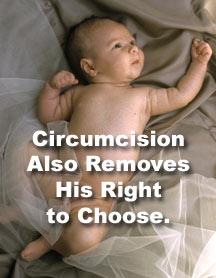
If you are interested in finding out more about circumcision I highly recommend the following resources:
- Infant Circumcision: Did you know? is an engaging 20 minute video featuring Dr Dean Edell, MD, as narrator to discuss the topic of infant male circumcision with expecting parents. EVERY PREGNANT PERSON AND THEIR PARTNER SHOULD WATCH THIS.
- Circumcision Decision-Maker, an online decision-making aid for anyone considering male circumcision. Its focus is first and foremost on what is best for boys themselves, and only secondarily on parents, culture, or religion.
- Talking points and flyers, by Intact America
- Pamphlets, by NOCIRC
- Resources, by Doctors Opposing Circumcision
- The Case Against Circumcision, By Dr Paul Fleiss, MD
Finally, if you are just nervous about how to care for an intact penis, it’s much easier than you think. Check out the following pamphlets on how to care for your infant son and what to expect as he ages.

 James Pate, MD